What is the difference between clamshell and blister packaging?
The biggest difference between clamshell packaging and blister packaging (or blister packs) is that clamshell packaging typically features a front and back side of plastic that are hinged together while blister packaging typically features only one piece of clear plastic that is adhered onto a blister card, affixed within a two-sided card (trapped blister) or slid onto a card as shown below.
Both clamshell and blister packaging are often specified due to the advantages that clear plastic packaging has over many other forms of packaging. Read more from VisiPak about the advantages of clear plastic packaging.

Merchandising Options
Clamshells can often be designed to be hung, set on a shelf, or placed in a display. Blister packaging is typically limited to hanging on a wall or in some type of display.
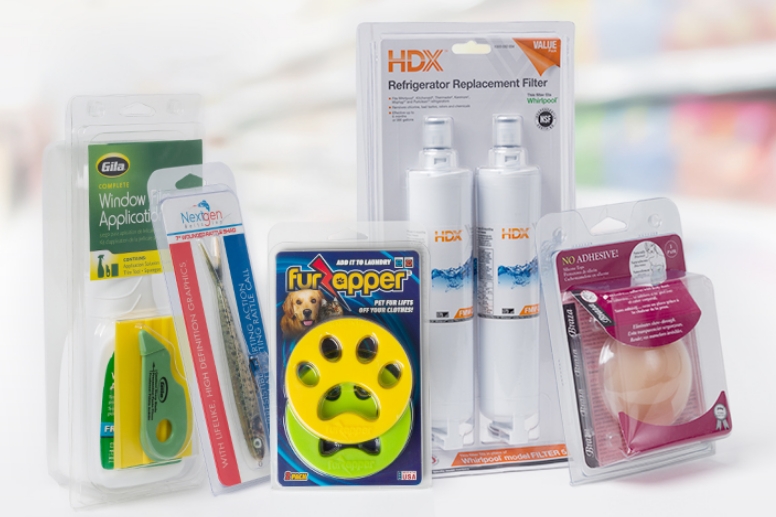
Clamshell Packaging
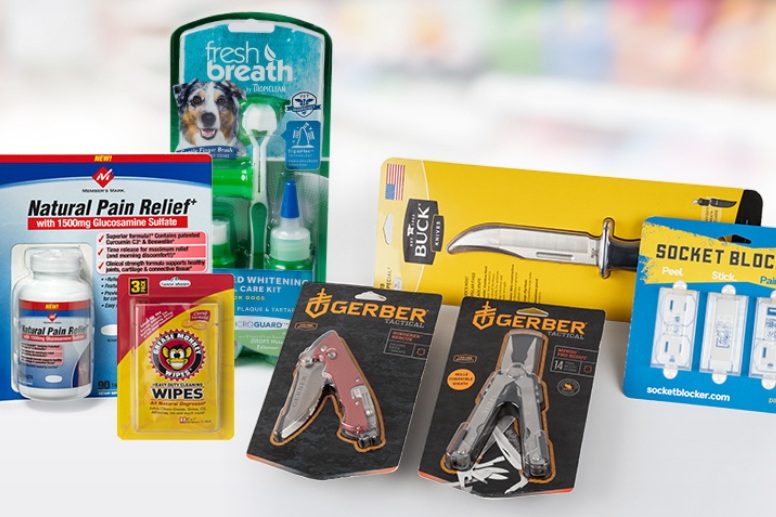
Blister Packaging

Product Size & Weight
Generally speaking, blister packaging is limited to lighter weight products although “trapped blisters” can typically accommodate heavier items. Clamshell packaging is most commonly used to package light weight items, but we once designed a clamshell with carrying-handle feature that contained a 20 lb. motor!

Piece Price
Blisters may be more economical than clamshells as they use significantly less material. However, when factoring in the material costs of insert cards, minimum orders, plus labor and equipment required to seal blister packs, comparing the clamshell option is important in evaluating the overall costs.

Design & Mold Cost
Generally speaking, the costs to design and make tooling for blister packaging is typically less expensive than it is for clamshell packaging. However, we also have an extensive line of stock clamshells that require no tooling or design charges.

Assembly
While both blister packaging and clamshell packaging require a person, automated system or robot to place the product into the package, the differences between sealing clamshell packaging and blister packs can be significant. In general, clamshell sealing can be manual or automated while blister sealing almost always requires equipment.

Decorating
Both types of packaging typically use cards or labels instead of direct printing on the package so they are very similar.


Accessibility & Security
Clamshells tend to be very flexible. Most of our standard clamshells are designed with friction fit, rail or button seal functionality, but can also be heat sealed for a more permanent solution using automated equipment or hand held clamshell sealers.
Blister packaging tends to be the least flexible option when it comes to accessibility. With the exception of slide blisters, most blister packs feature a plastic cavity sealed to a card, firmly securing the product inside. While security is strong, it is not possible to touch or feel the product. This is offset by the solid benefit of the transparent packaging, which clearly displays the contents.
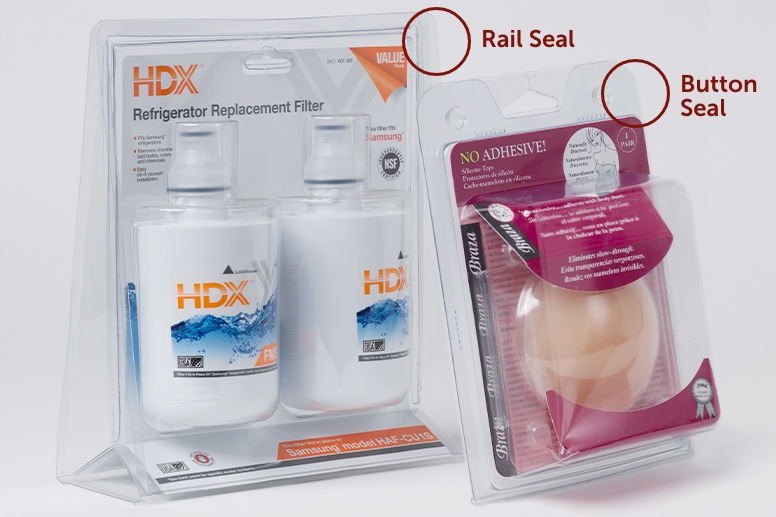
Clamshell Packaging
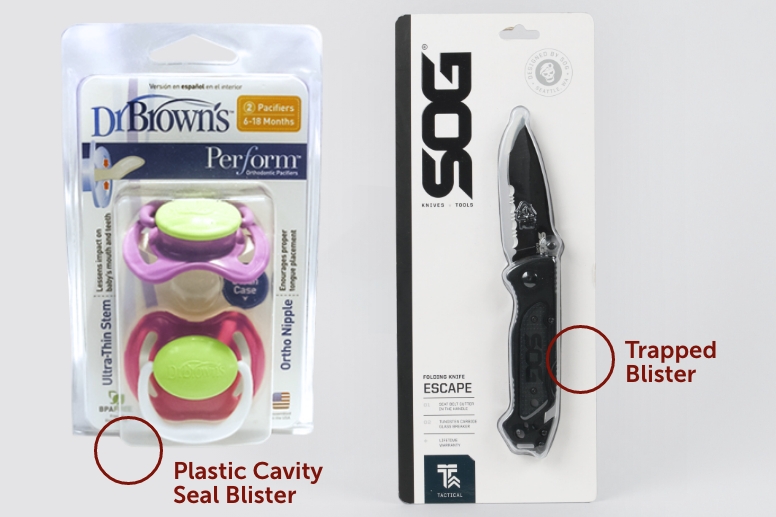
Blister Packaging
Types of Blister Packaging
For details about the following types of blister packaging, follow the links to our VisiPak site. There you will find images, case studies, details and other information to assist you in your search for the best packaging option.
Face Seal Blisters
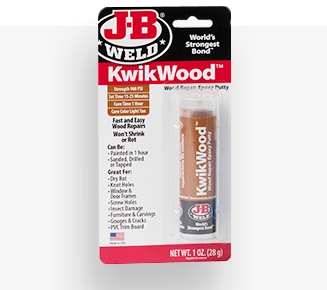
Full Face Seal Blisters
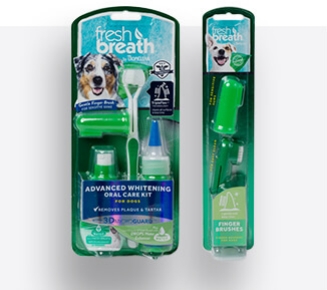
Trapped Blisters
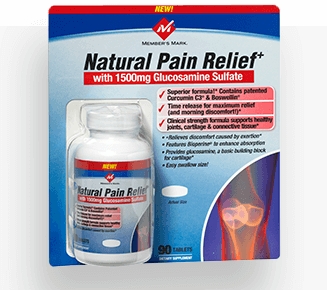
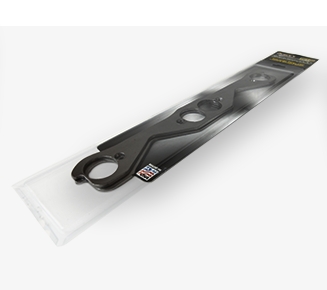
Slide Blisters
National Manufacturing Locations
As part of the Sinclair & Rush family of companies, we have thermoforming operations centrally located in St. Louis, Missouri and on the west coast in Portland, Oregon. Our product lines are available nationwide, supported by custom solutions manufactured at each of our locations.